
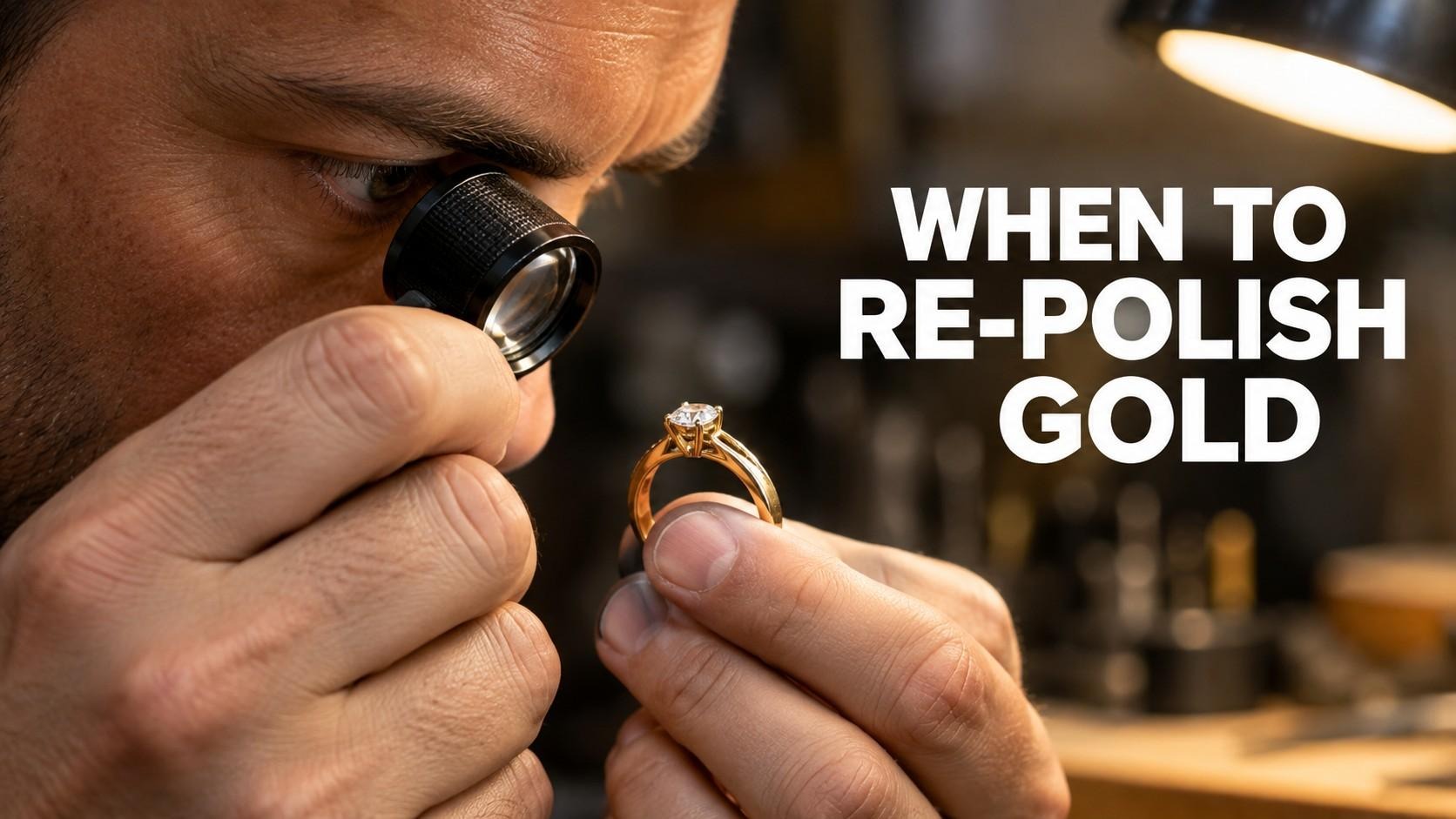
How Often Should You Get Gold Jewelry Re-Polished or Repaired
Most of us wear our favorite gold pieces every single day without giving them much thought. We wash dishes in them, wear them to the gym, and sleep with them on. Then one day, you look down at a favorite band or necklace and notice it looks dull, scratched, or a little bent out of shape. Gold is a timeless metal, but it is also remarkably soft compared to metals like titanium or platinum.
Knowing how often to take your gold items to a bench jeweler for polishing or repair keeps them looking amazing while preventing total loss of stones or thin bands. Here is a practical breakdown of maintenance timelines, warning signs, and care tips that every owner ought to know.
The Reality of Polishing Gold
Many people assume polishing is just a deep cleaning. In reality, professional polishing takes away a tiny layer of metal to smooth out scuffs and deep scratches. High speed wheels buff out the outer layer to bring back that mirror mirror finish.
Because polishing removes actual gold, over polishing your favorite pieces cause them to thin out prematurely. Prongs holding precious gemstones can get weak, and detailed engravings will slowly flatten until they disappear completely.
- Daily Wear Pieces: Polish no more than once every 12 to 18 months.
- Special Occasion Jewelry: Polish every 3 to 5 years, or only when visible scratches bother you.
- Heirloom or Vintage Gold: Avoid frequent machine polishing. Stick to gentle hand wipes with a treated polishing cloth.
If your gold item simply looks cloudy due to lotions, soap build up, or skin oils, it does not need a polish. A simple soak in warm water mixed with a few drops of mild dish soap and a gentle scrub with a soft toothbrush brings back the shine without taking away any metal.
White Gold Requires Extra Attention
Yellow gold and rose gold keep their natural shade when polished. White gold works a bit differently. Pure gold is naturally yellow, so jewlers mix it with white metals like nickel or palladium and coat the final piece in rhodium. Rhodium gives white gold its brilliant bright silver shine.
Over time, daily friction wears down this rhodium plating, exposing a pale yellowish tint underneath.
When you take white gold in for maintenance, the bench jeweler polishes off the remaining old finish and electroplates a fresh layer of rhodium over the metal.
Read: Essential Jewellery Care Tips to Keep Your Precious Pieces Looking New
How Often Should You Get Repairs Checked
Repairs should never be delayed once you spot a problem. Catching a weak prong early costs a fraction of what replacing a lost diamond or gemstone will set you back.
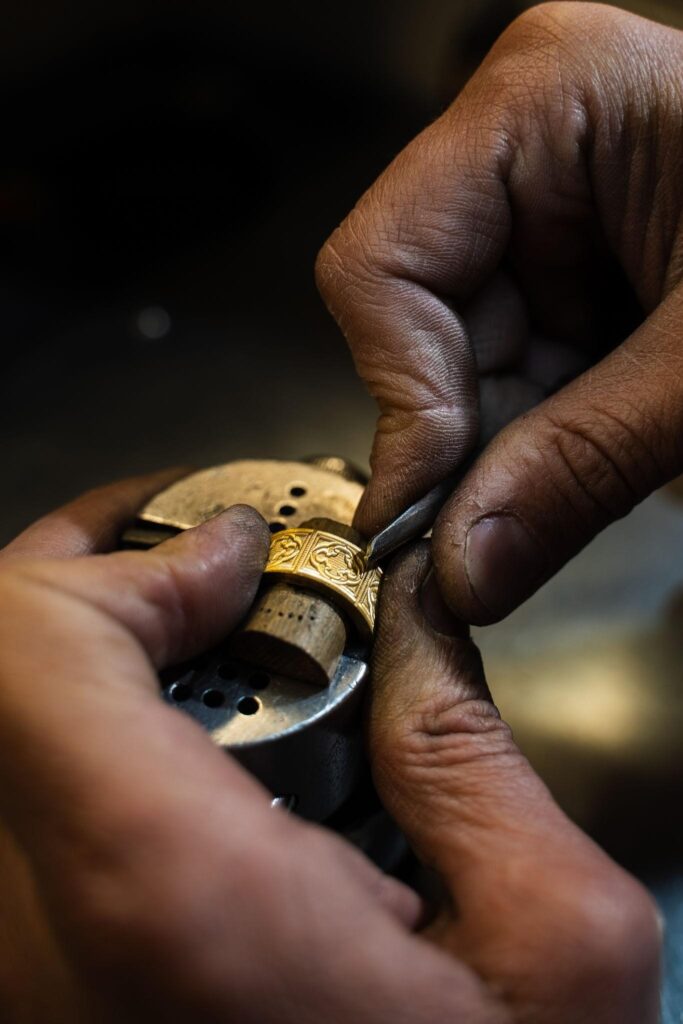
As a general rule, have a professional jeweler inspect your fine jewelry every six months. Most local shops do quick inspections for free. They look at your pieces under high magnification to check for issues that you cannot see with the naked eye.
Warning Signs That Need Immediate Professional Care
You do not always have to wait for your six-month checkup. If you notice any of the following red flags, stop wearing the piece until a repair specialist looks at it.
- Rattling Stones: Gently tap the center stone near your ear with your fingernail. If you hear or feel movement, the prongs have loosened up.
- Snagging Prongs: If your prongs start catching on sweaters, blankets, or hair, one of the tips has likely bent open or worn down.
- Thinning Shanks: Look at the bottom palm side of your bands. If the metal looks razor thin or slightly out of round, it is at risk of snapping under normal pressure.
- Stiff or Sticky Clasps: Lobster claws and spring rings on chains eventually lose their internal tension. A clasp that stays slightly open can drop your chain without you realizing.
Practical Tips to Extend the Time Between Shop Visits
You can cut down on expensive repair visits and frequent polishing by tweaking a few everyday habits.
Always remove your gold before heavy lifting or working out with dumbbells. Hard steel handles crush soft gold bands instantly. Never wear gold in swimming pools or hot tubs, because chlorine chemically reacts with the alloy metals in gold, making the internal structure brittle and prone to cracking.
Store each item in individual soft cloth pouches or separate compartments in a lined box. Gold items rubbing against one another in a drawer will scratch each other up quickly.
Taking proper care of your collection keeps your sentimental treasures looking brand new for generations. Pay attention to how often you wear each piece, handle quick cleans at home, and leave the heavy buffing wheel for occasional professional visits. If you wear a gold ring every day, taking it off before chores and getting the prongs inspected twice a year ensures your favorite piece stays safe on your finger for decades to come.